


Nordic tax and wealth management evening
Januar 15 @ 17:30 - 21:00 CET
Join the Finland-Switzerland Chamber of Commerce on January 15th, 2026 in Zurich for an exclusive event offering expert insights into Nordic tax and wealth management. Learn about the complexities of Swiss and Nordic tax systems, inheritance and marriage laws, and investment strategies for Nordics relocating to Switzerland, and take away valuable insights for those who have been here longer.
Don’t miss this opportunity to learn from experts and get answers to your questions.
REGISTRATION
Date: 15.01.2026
Time: 18.00- 21.00
Adress: Schellenberg Wittmer Ltd, Löwenstrasse 19, Zürich
Program:
17.30 Registration
18.00 Welcome
18.05 Mikael Rosenius Amplia Wealth „From Banks to Boutiques: Europe’s New Wealth Powerhouses“
18.15 Nordic tax and wealth management talks:
- Andrea Dorjee: „Hope for the best, prepare for the worst – a short overview on the most important do’s and don’ts when planning your estate from a Swiss law perspective, keeping in mind that life is not only about taxes“
- Michael Nordin: „Accept to pay taxes, but not unnecessarily so – a short overview of important aspects of Swiss taxation from the perspective of an investor and in the context of retirement“
- Mikael Simonsen: „The Quiet Build-Up: Debt, Deficits, and Political Instability“ — from financial markets to sovereign balance sheets. It discusses rising debt levels and structural deficits across advanced economies, with references to the U.S., France, and Finland, and asks whether today’s fiscal trajectories resemble earlier pre-crisis dynamics. „
19.15Discussion
19.30 Apero
21.00 Event ends
Event is open to everyone to attend

Andrea Dorjee-Good, Certified Specialist SBA Inheritance Law, Trust and Estate Practitioner (TEP)
Andrea Dorjee-Good is a partner at Schellenberg Wittmer in Zurich where she heads the Private Wealth Practice Group. Andrea has extensive experience in the field of inheritance and matrimonial law as well as in foundation law. She advises private clients on all aspects of domestic and international estate planning, including in particular on lasting powers of attorney, wills, succession pacts and matrimonial property agreements. In addition, she assists clients in relation to asset structuring, trusts and foundations and regularly represents clients in probate matters as well as in complex trust and estate disputes.
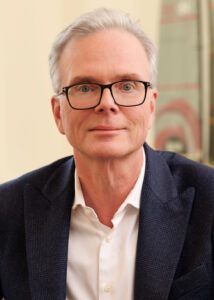
Dr. Michael Nordin, LL.M., Partner, Certified Tax Expert
Dr. Michael Nordin is a Partner at Schellenberg Wittmer in Zurich, where he leads the tax practice. He advises corporations and financial institutions on complex tax matters, particularly in connection with M&A transactions, reorganisations, restructurings, as well as financing and capital markets activities. He also advises high net worth individuals (HNWI) and conducts internal corporate investigations focusing on tax-related issues. Dr. Nordin has extensive international experience, especially in cross-border tax disputes and coordinating with foreign advisers and tax authorities. He is regularly recognised by leading rankings such as Chambers, The Legal 500 and Lexology, and is a frequent speaker and contributor on specialist tax law topics.
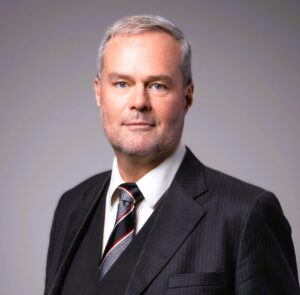
Mikael Simonsen
Mikael Simonsen is a Nordic wealth manager and former hedge fund manager specializing in global macro, derivatives, and risk-based allocation. He is currently CEO of the Finnish operation and CIO at group level in a Swiss-headquartered wealth management firm, responsible for investment strategy, portfolio construction, and risk management for entrepreneurial and private clients.
The talk looks back at past crises that didn’t seem dangerous at the time, but later turned out to be warning signs we missed. Using economist Hyman Minsky’s ideas, it starts with financial markets and then shifts to government finances, where growing debt and ongoing budget deficits may be slow-building problems rather than urgent ones.
Drawing on examples from the United States, France, and Finland, the presentation asks whether today’s fiscal situation feels like the quiet period before earlier economic blow-ups. It ends with a challenging question: could democracy itself reach a breaking point if pressure for redistribution keeps growing, the costs become unsustainable, and a shrinking group of taxpayers is left to carry most of the burden?

